
Discover the essential role of ice in cocktails and how it influences the taste, dilution and final experience of the drink.

When making a cocktail, ice isn't just a cold element added at the end — it's an active component properties of the drink and influence the temperature, appearance, dilution and even the final taste of the cocktail. In mixology, the quality and shape of ice can turn an ordinary drink into a memorable one.
Controlled dilution is essential: As the ice melts, it adds water to the drink — and this water is part of the taste balance, not just a side effect.
The most common form of ice, ideal for most cocktails— whether mixed, shaken or served directly in a glass. Provides a moderate and consistent dilution and remains versatile for highballs or sours.
👉 Perfect for: stirring, mixing, shaking, long drinks, spritz
%20(1).jpg)
Oversized cubes have a ratio smaller surface-volume, which makes them melt more slowly. The result? Efficient cooling without rapid dilution, which makes them suitable for drinks spirit-forward or drinks that you want to enjoy for a long time.
👉 Perfect for: Old Fashioned, Negroni, whiskey served “on the rocks”.
.jpg)
This type of ice maximizes the contact surface with the liquid — which means fast cooling, but also higher dilution. It is ideal for tropical drinks and cocktails that benefit from generous dilution and cool texture.
👉 Perfect for: Mojito, Mint Julep, Pina Colada.
%20(1).jpg)
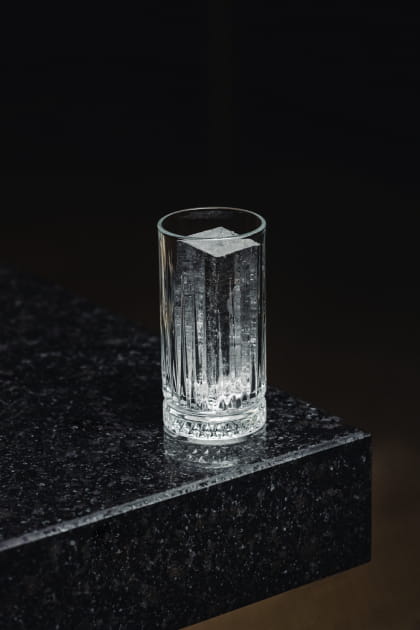
Longer and thinner than cubes, these ice “slices” are designed for tall glasses (for example for highballs). Even though they're not as slow-melting as large cubes, they help the drink stay cold for longer.
👉 Perfect for: Gin & Tonic, Collins, Paloma.
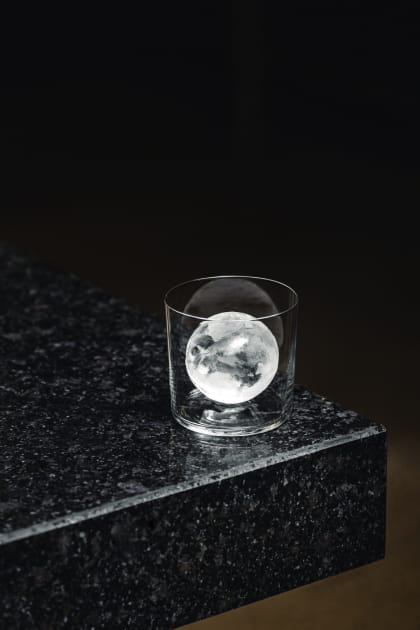
The spherical shape has smallest surface area to volume ratio, which allows it to melt the slowest of all forms of ice — an advantage for drinks served simply, where you want to keep the flavor unattenuated for as long as possible.
👉 Perfect for: premium whiskey and long-term cocktails.
There is no one “perfect” type of ice for all cocktails. The choice depends on desired temperature, preferred dilution level, the shape of the glass and even the final aesthetics of the drink. When you learn to choose the right type of ice, you elevate the quality of your cocktails to another level — whether at home or in the bar.