
Ice plays an essential role in non-alcoholic cocktails, influencing the taste, texture and final presentation.

When preparing non-alcoholic drinks, ice plays a double role: it not only cools, but model the taste and visual experience of each glass. In zero proof cocktails, where the delicate aromas of fruits, herbs and spices are in the foreground, the choice and use of ice becomes essential for a perfect result.
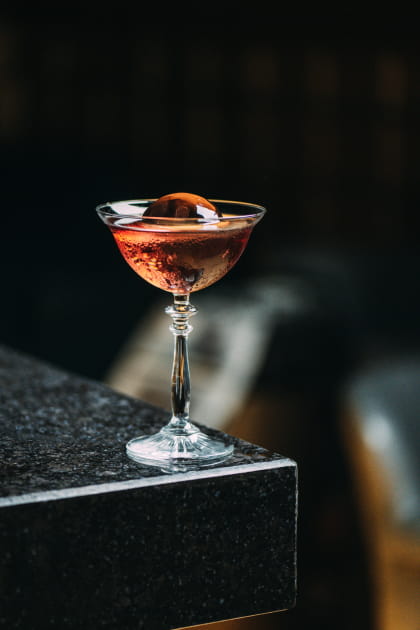
The first and most obvious role of ice is to keep the temperature of the drink low. In the absence of alcohol — which has a lower freezing point — many non-alcoholic ingredients can heat up quickly and lose freshness if not served well cold.
In alcohol-free cocktails, flavors can sometimes be too sweet or too intense. As the ice melts, it gradually adds water to the drink, which can help rounding of taste and to achieving a natural balance between sweet, sour and aromatic.
The shape of ice influences not only the temperature, but also the sensation in the mouth. Large cubes melt slowly and keep the drink cool without diluting it too quickly. Crushed ice provides a more “crunchy” texture and a more refreshing feel, suitable for drinks served directly in the glass.
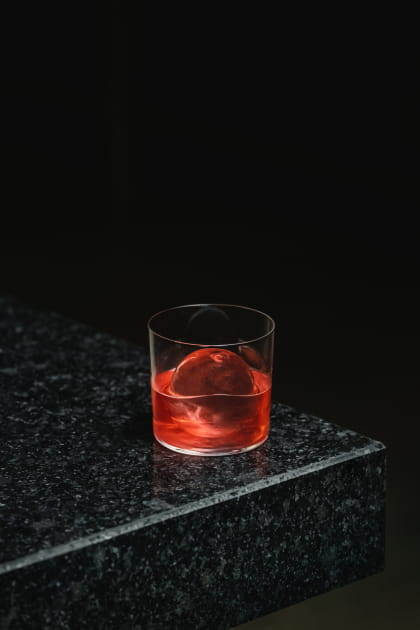
Appearance matters as much as taste, especially for alcohol-free cocktails, where visual elements can compensate for the absence of alcohol. Clear, clear ice or cubes that include mint leaves, citrus slices or edible flowers can turn a simple drink into an impressive and carefully made one.
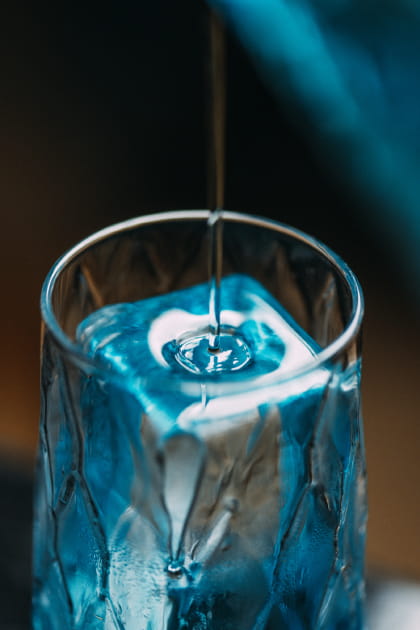
Ice made from filtered water or slowly poured into a special container so that it is clear and without air bubbles, has the advantage of melting more slowly and preserving the integrity of the taste. This is a difference that you can see and feel especially in fine drinks, which depend on balance and freshness.
Even without alcohol, a well-made mocktail can have depth and complexity — and ice is one of the ingredients that “take the story forward”. When intentionally chosen and used, ice:
Basically, it is a mixology tool that makes the difference between a simple drink and a memorable one.